A reader named Timmy wrote about twenty years of exhaustion.
The constant translation. The code-switching. The performance of a temperament that was never theirs. Timmy had assumed that was just what leadership felt like.
Then came the line I have read more than any other since the book came out.
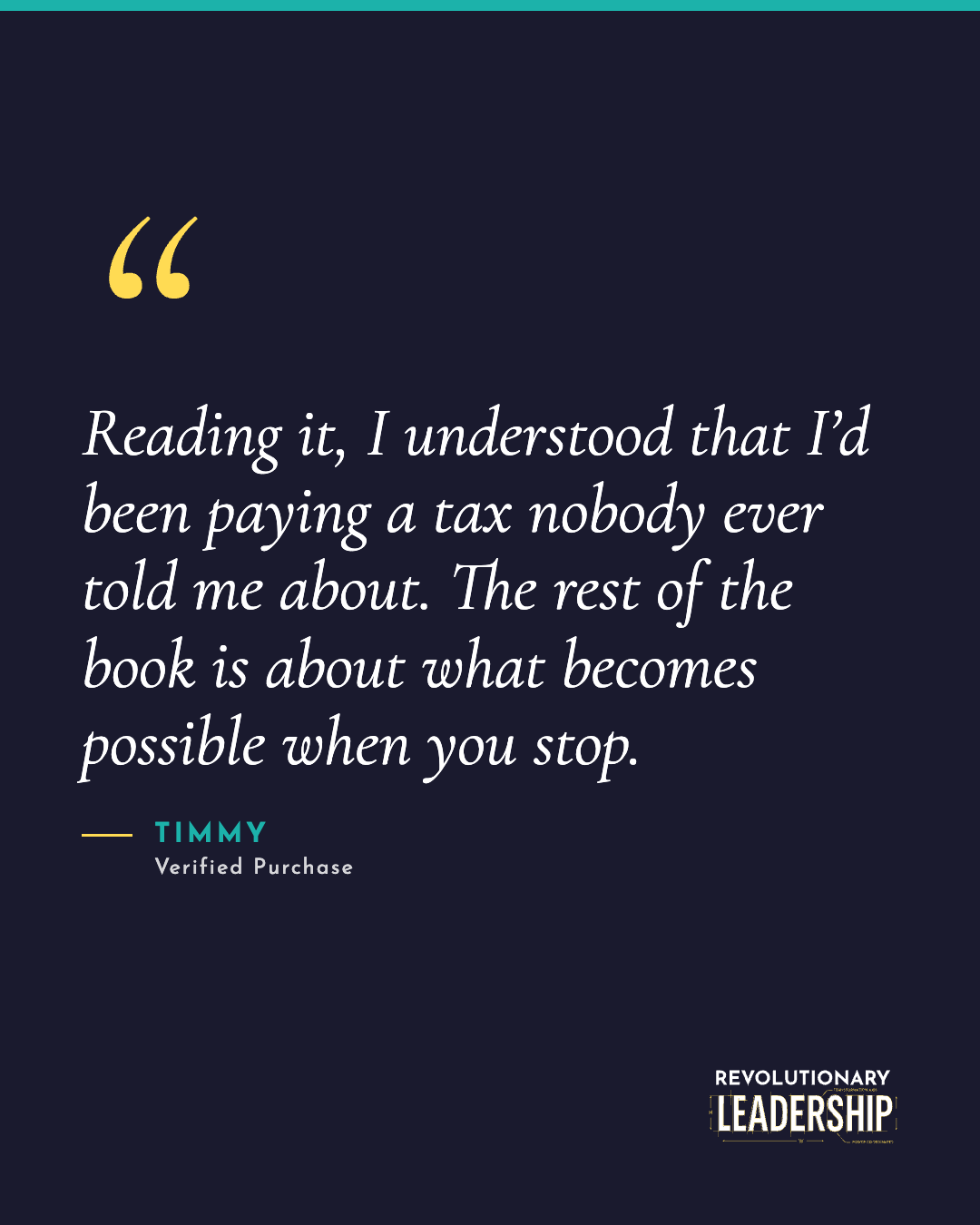
“Reading it, I understood that I’d been paying a tax nobody ever told me about.”
I did not write Revolutionary Leadership to be praised. I wrote it to be useful. So when the reviews started coming in, I read them the way I read everything. I looked for the pattern underneath the praise.
There is one. Four things, over and over.
1. Readers say it holds up.
The conventional wisdom says a leadership book written for a specific audience trades rigor for resonance. Warm. Affirming. Light on proof.
Readers disagree.
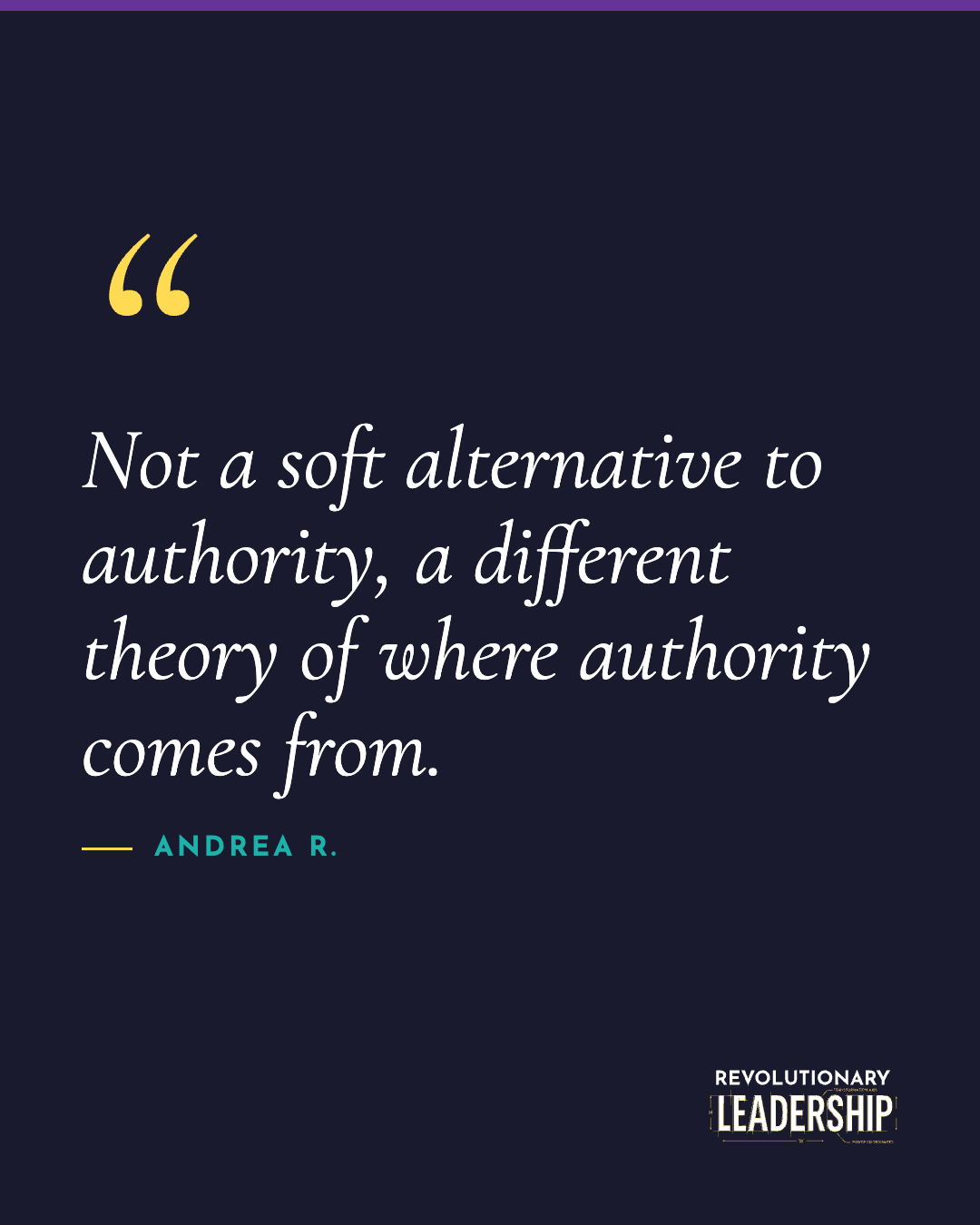
TJ B. wrote, “Real citations, real academic grounding. It’s not a memoir with advice attached, there’s scholarship underneath the frameworks.” Andrea R. called the book “Not a soft alternative to authority, a different theory of where authority comes from,” and said the evidence for why it produces more durable cultures is solid.
I built it that way on purpose.
Care and community are not soft. They are strategy. Strategy needs evidence.
2. Readers say they use it.
Brendan R. bought copies for a whole cohort. “Nine of us in a leadership program. It’s become our shared reference point.”
A reader writing as Books That Inspire said two of the frameworks are now part of how their directors run their teams. Jennifer A. titled a review “Actionable, not aspirational” and added, “There’s a difference, and this book is firmly on the useful side of it.”
Leadership books get read. Not all of them get used. That is the gap I wrote against.
3. Readers say it was written with them in the room.
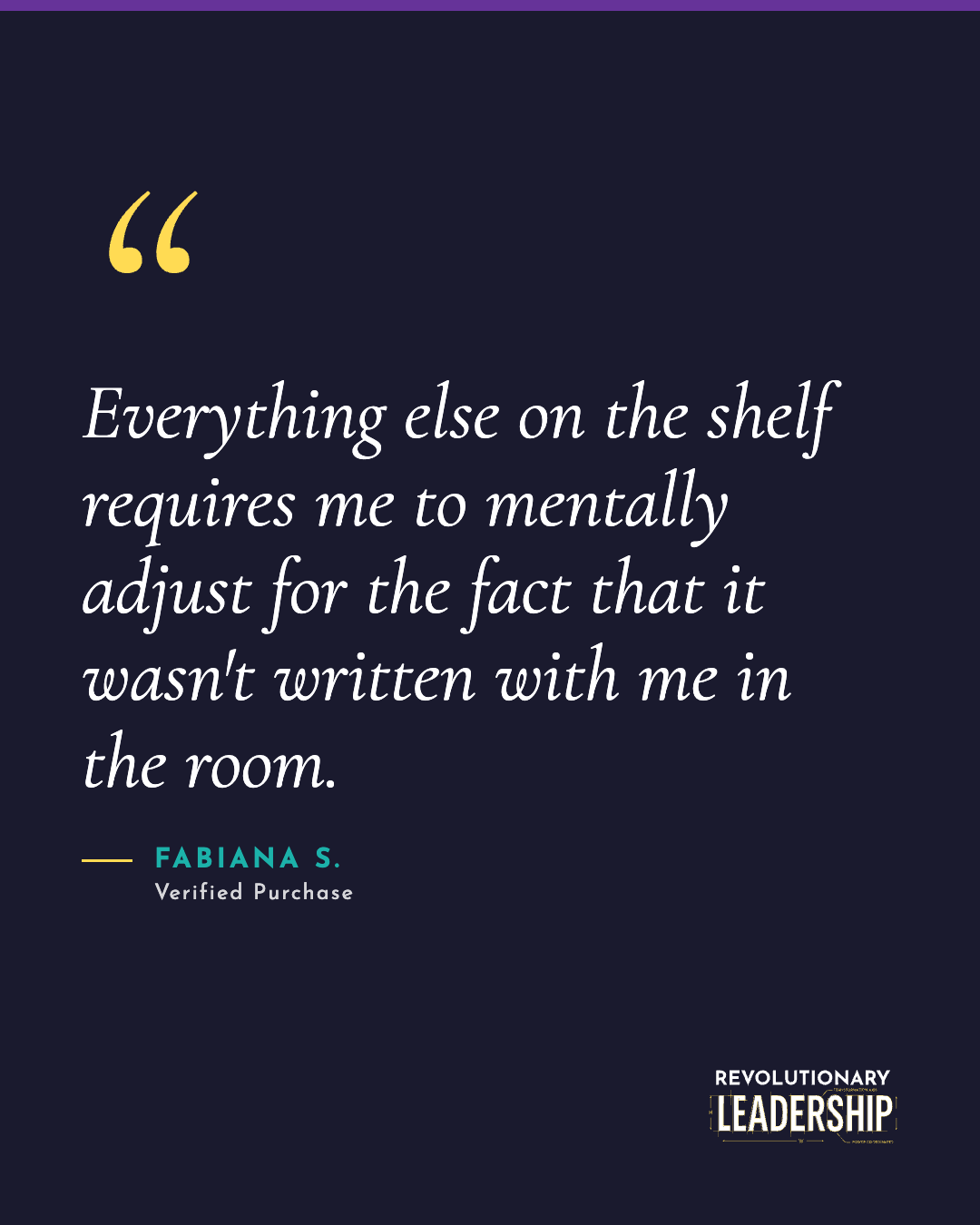
Fabiana S. put it in one sentence. “Everything else on the shelf requires me to mentally adjust for the fact that it wasn’t written with me in the room.”
Caprecia W. said the book is “intentionally exclusive to our experiences” and does not aim “to comfort other demographics for the sake of being inclusive.” Then Caprecia added the line that stopped me. “I felt completely seen while reading this book.”
Here is the part the conventional wisdom misses.
Centering us did not shrink the book. It sharpened it.
Lorena wrote, “I’m not the primary audience, but I’m managing a mixed team and the book explicitly welcomes that readership without softening anything for it.” Lorena went on to say, “I learned a great deal about what I’ve been asking of colleagues without realizing it.”
Nothing was softened. Everyone who came in learned something.
4. Readers say it is not new.
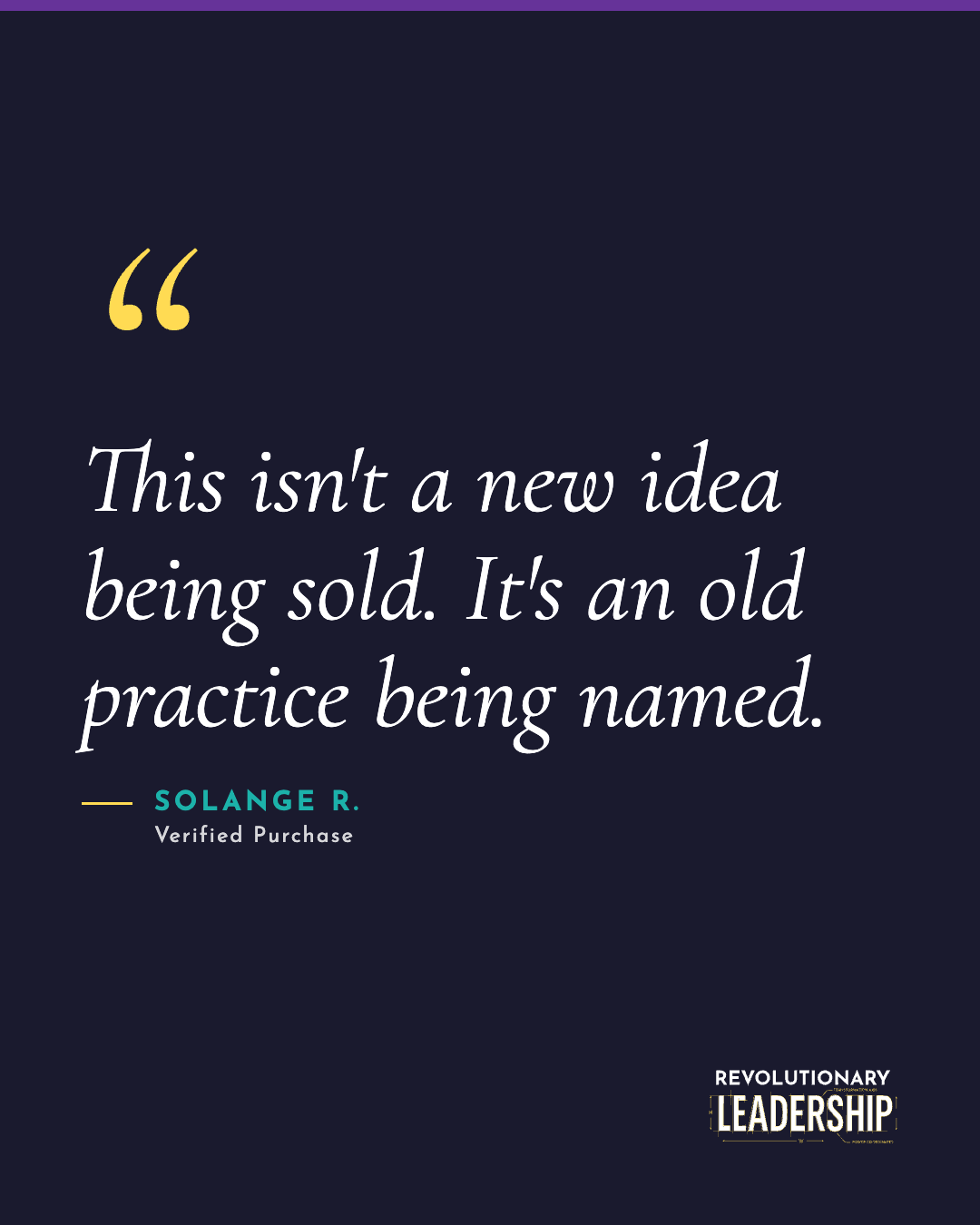
Solange R. wrote, “This isn’t a new idea being sold. It’s an old practice being named.”
That is the sentence I hoped someone would write. We have always built the networks. We have always held the histories. We have always led before anyone gave it a title. The book names what we were already doing.
Not every note was praise.
Caprecia W. also pointed out that the frameworks lean toward executive roles. Early stage entrepreneurs will find less to apply right away. And Caprecia wondered whether younger generations will value community the way earlier ones did.
I want those questions. They make the work better.
What I keep coming back to
Timmy paid a tax for twenty years. The rest of that review says, “The rest of the book is about what becomes possible when you stop.”
That is the book. That is the work.
Stop paying the tax.
Revolutionary Leadership: A Power Playbook for Black Women is available now at revolutionarylead.com.
Lead with Power. Lead with Care. Change Everything.